
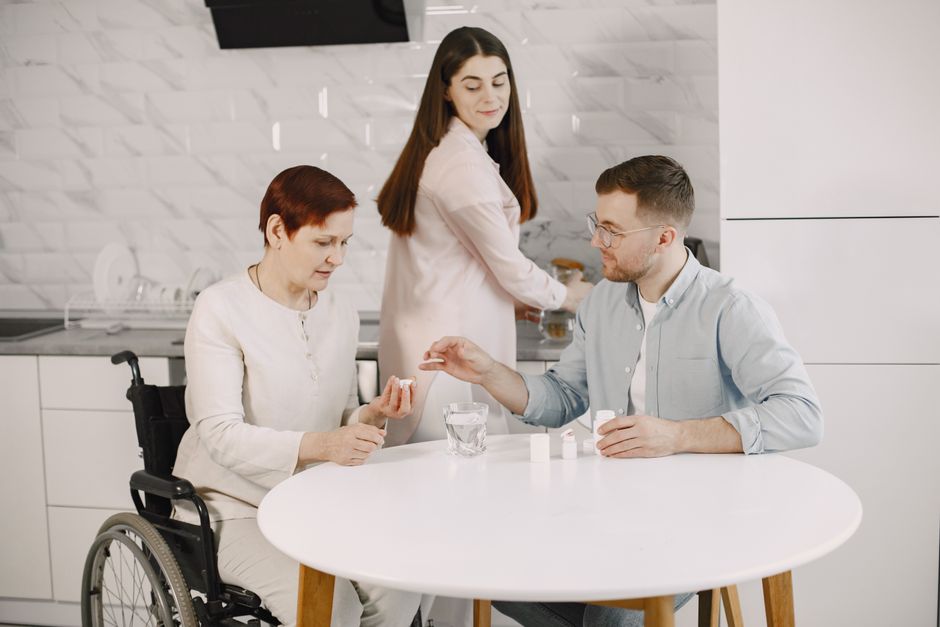
For many older couples, the goal is not simply finding care. It is finding a living arrangement that allows both partners to remain connected while receiving different levels of help. Assisted living can support this arrangement through personalized care plans, shared housing options, flexible routines, and added safety support.
The right setting depends on each person’s health, mobility, memory, preferences, finances, and expected future needs. Couples may live in the same apartment, share meals and activities, and maintain familiar routines even when one partner needs considerably more assistance than the other.
Can a couple stay together if only one partner needs assisted living?
Often, yes. Many assisted living communities are designed to accommodate couples who have different care requirements. One person may need help with bathing, dressing, medications, or walking, while the other may be mostly independent but no longer wants to manage a household alone.
Couples may be able to share an apartment or suite, depending on the residence, apartment design, and each person’s care needs. In some situations, one partner receives regular personal care while the other pays for fewer services. This can prevent the more independent spouse from being placed in a setting that offers more care than necessary.
Before choosing an arrangement, families should ask:
- Can both partners live in the same apartment?
- Are care services assessed separately for each resident?
- Can the level of care change over time?
- What happens if one partner eventually needs nursing care or specialized memory support?
- Are there additional charges for couples sharing a unit?
- Can both residents maintain separate schedules and privacy?
Assisted living is not identical from one residence to another, so written explanations of services, costs, and transfer policies are useful.
How are different care needs handled?
Each resident should receive an individual assessment and care plan. A care plan may address mobility, personal care, medication reminders, meals, continence support, communication needs, sleep patterns, and social preferences.
For example, one partner may need:
- Help getting dressed in the morning
- Assistance moving safely from bed to a chair
- Medication administration or reminders
- Supervision due to memory loss
- Help with bathing or toileting
The other partner may only need housekeeping, meals, transportation support, or occasional assistance. Separate care plans allow staff to provide appropriate help without treating the couple as if they have identical needs.
A couple’s shared routine can still be preserved. They may eat together, attend activities as a pair, or spend time privately in their apartment. At the same time, each person can receive care according to their own schedule.
What if one spouse is much more independent?
A more independent spouse may worry about losing privacy, freedom, or identity after moving into assisted living. Those concerns deserve attention. Sharing a home with a partner who needs extensive care can also create emotional and physical strain, particularly if the healthier spouse has been providing most of the support.
Assisted living may reduce that pressure by shifting hands-on responsibilities to trained staff. The more independent partner can remain involved as a spouse rather than functioning as the primary caregiver.
A practical arrangement might include:
- Separate medication routines
- Different bathing or dressing schedules
- Private time for each person
- Shared meals and selected activities
- Independent transportation or outings when appropriate
- A clear plan for emergencies
Couples do not have to participate in every activity together. Maintaining separate interests can help both people adjust and may reduce resentment or fatigue.
How does assisted living help couples manage memory loss?
Memory loss can affect one partner while the other remains mentally sharp. In these situations, the couple may need a setting with strong safety procedures, structured routines, and staff trained to respond to confusion or wandering.
Memory-related support may include secured areas, reminders, cueing, supervision, assistance with personal care, and predictable daily schedules. However, not every assisted living residence provides the same level of memory support.
Families should ask whether the setting can safely manage:
- Wandering or exit-seeking
- Repeated questions or agitation
- Changes in sleep patterns
- Difficulty recognizing a spouse
- Resistance to bathing or medication
- Increasing supervision needs
A spouse may remain an important source of comfort, but the spouse should not be expected to provide constant monitoring. If memory loss progresses beyond what assisted living can safely manage, the couple may need separate care arrangements or a setting with a higher level of supervision.
What happens when one partner needs more care later?
A couple’s needs can change quickly after a fall, stroke, hospitalization, or diagnosis involving memory or mobility. Planning for future changes is one of the most important parts of selecting assisted living.
Ask how the residence handles increased needs, including:
- More frequent personal care
- Two-person assistance for transfers
- Incontinence care
- Complex medication routines
- Hospice or comfort-focused care
- Behavioral symptoms related to dementia
- Temporary rehabilitation after hospitalization
Some residents can remain in the same apartment as their needs increase. Others may need to move to a different area or another type of care. A policy that allows one spouse to remain nearby, even if both cannot stay in the same room, may help preserve the relationship during a transition.
Families should also discuss decision-making authority, emergency contacts, advance directives, and preferences for hospitalization. These conversations are easier before a crisis occurs.
What local conditions should Emmaus, PA couples consider?
Seasonal weather and household routines can affect an older couple’s safety and comfort. Winter conditions may make walking, driving, and attending appointments more difficult, while hot, humid weather can increase dehydration and fatigue. A residence with reliable indoor activity options, accessible entrances, safe walking areas, and transportation coordination may be especially helpful.
Housing patterns also matter. Couples who have lived in a longtime home may be accustomed to separate rooms, familiar furniture, and established routines. Moving into a smaller apartment may require decisions about what to keep, what to store, and how to preserve meaningful personal items.
It is also useful to consider whether family members can visit comfortably, whether the couple can attend medical appointments without relying on one spouse to drive, and how easily each partner can reach shared dining or activity areas.
How can families judge whether a couple’s arrangement is working?
A successful arrangement is not defined only by whether the couple occupies the same apartment. It should support safety, dignity, manageable caregiving expectations, and a satisfying daily life for both people.
Warning signs that the plan may need revision include:
- One spouse is providing nearly all hands-on care
- A partner is regularly missing meals or medications
- Frequent falls or nighttime emergencies occur
- The independent spouse appears exhausted or isolated
- The couple has little privacy or peaceful time
- Staff cannot consistently meet changing needs
- One resident’s condition prevents the other from feeling safe
Regular care-plan reviews can help identify changes early. Families may also keep a short record of falls, sleep changes, appetite, mood, medication concerns, and new assistance needs. This information can make conversations with care staff and medical providers more specific.
The central question is whether both partners can remain connected without placing unsafe responsibilities on either spouse. For many couples, assisted living provides a middle ground: shared daily life, individualized care, and a plan that can be adjusted as needs change.
