
What Causes Falls in Assisted Living Environments?
Falls are a concern for many residents in Emmaus, PA who want to maintain independence. The most common causes often relate to physical changes like weakened muscles, balance issues, and slower reflexes. Environmental hazards inside living spaces, medicine side effects, and changes in vision or hearing also play significant roles.
Emmaus residents frequently encounter fall risks such as:
- Luxuriant area rugs and throw rugs
- Poorly lit hallways and staircases, especially on short, overcast winter days
- Cluttered living spaces due to limited storage common in shared residences
- Seasonal changes, with snowy walkways or wet leaves making outdoor surfaces more hazardous
Misunderstandings around “just being careful” can contribute to these issues being underestimated. It's not only major obstacles but also small, everyday items out of place that commonly cause falls in the city.
What Home Modifications Help Prevent Falls?
Easy-to-implement home adjustments can make a big difference. In Emmaus, common-sense changes often work better than major renovations.
Start with:
- Removing loose throw rugs or securing them with non-slip pads
- Adding nightlights in bedrooms, bathrooms, and hallways—especially crucial with seasonal daylight changes and the area’s variety of housing styles
- Installing sturdy handrails on both sides of all indoor and entry stairs, considering the frequent multi-level homes and older properties found in the city
- Arranging furniture to keep walking paths clear, as tight layouts can be a challenge in smaller assisted living spaces
Bathroom safety is worth special attention. Non-slip mats in showers, and grab bars near toilets and tubs, offer effective support—helpful in homes with older bathtubs, which are common in many of the city's residences.
How Does Local Weather Affect Fall Risks?
Emmaus sees four distinct seasons, each bringing its own considerations. Winters can mean icy driveways and slick indoor entryways from boot tracks. During fall, wet leaves may accumulate at entrances and on steps.
Residents can adjust routines to reduce seasonal fall dangers by:
- Wearing slip-resistant shoes both inside and outside, rather than relying on socks or smooth-soled slippers
- Wiping shoes thoroughly and using absorbent mats during winter and rainy months
- Asking family or caregivers to check for ice on outdoor steps before using them, especially in the early morning when surfaces are most slippery
Staying alert to real-time weather conditions makes it easier to plan safer movement in and out of the home, a common-sense adaptation that benefits anyone living in the community.
What Personal Habits Protect Against Falls?
Maintaining balance, strength, and flexibility is key. Simple everyday choices help reduce the chance of falling.
- Taking time when standing up or turning, giving the body a moment to adjust
- Using assistive devices like canes or walkers if balance is an ongoing challenge, even just at night or during rough weather
- Keeping commonly used items within easy reach to avoid unnecessary stretching or bending
- Having regular vision and hearing checks, available throughout the city, to ensure senses remain reliable
Local residents sometimes underestimate how fatigue, dehydration, or hunger raise fall risks. Emmaus’s active lifestyle can mean busy days, so it's worth making hydration and sensible activity pacing a priority.
Are Medications a Hidden Risk?
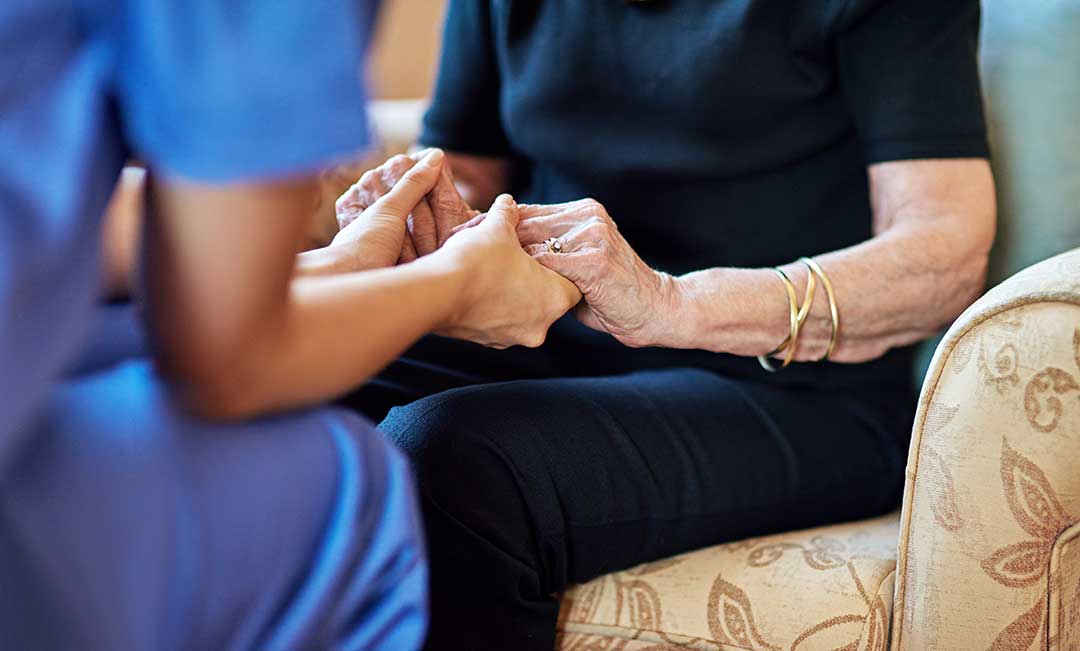
Many fall incidents in assisted living go unexplained until medications are considered. Some prescriptions, or drug combinations, cause dizziness or confusion, which are often mistaken for normal aging.
If a resident suspects medications might be impacting balance or alertness:
- Track new symptoms after changes in medication
- Review medication lists regularly with healthcare providers
- Be cautious of over-the-counter remedies that might interact with regular prescriptions, common during cold and allergy seasons
Emmaus residents should feel comfortable bringing up any questions about medication side effects or changes in alertness at routine medical appointments.
How Can Fall Risks Be Monitored Over Time?
Falls rarely happen from a single cause. Regular check-ins—alone or with the support of family or caregivers—make a noticeable difference.
Residents can keep a fall diary, noting:
- Where slips or stumbles almost happened
- What time of day issues are most common (early morning or night, for example)
- Any recent changes to medication or routine
Environmental reviews are smart after seasonal changes in Emmaus, when walking paths and household routines may shift with the weather. A fresh look at hazards during winter or after moving furniture keeps safety measures up to date.
What Misconceptions Lead to Underestimating Fall Risks?
It’s easy to assume “falls only happen to other people” or that alertness alone is a guarantee against accidents. Local discussions show that even residents who feel strong can be surprised by how a small environmental change or brief distraction leads to a mishap.
Another common misconception is that making minor home adjustments or accepting assistance implies a loss of independence. In reality, most long-term residents in Emmaus view these changes as ways to maintain freedom and daily enjoyment, rather than as limitations.
Should Family Members Be Involved?
Open conversations help everyone feel more comfortable and confident. Family and community members bring a fresh perspective when it comes to noticing new hazards, especially after routines change or during seasonal transitions.
In Emmaus, where multigenerational households and regular family gatherings are common, periodic safety walkthroughs or shared reminders about safe habits can reinforce effective fall prevention—without sacrificing dignity or independence.
