
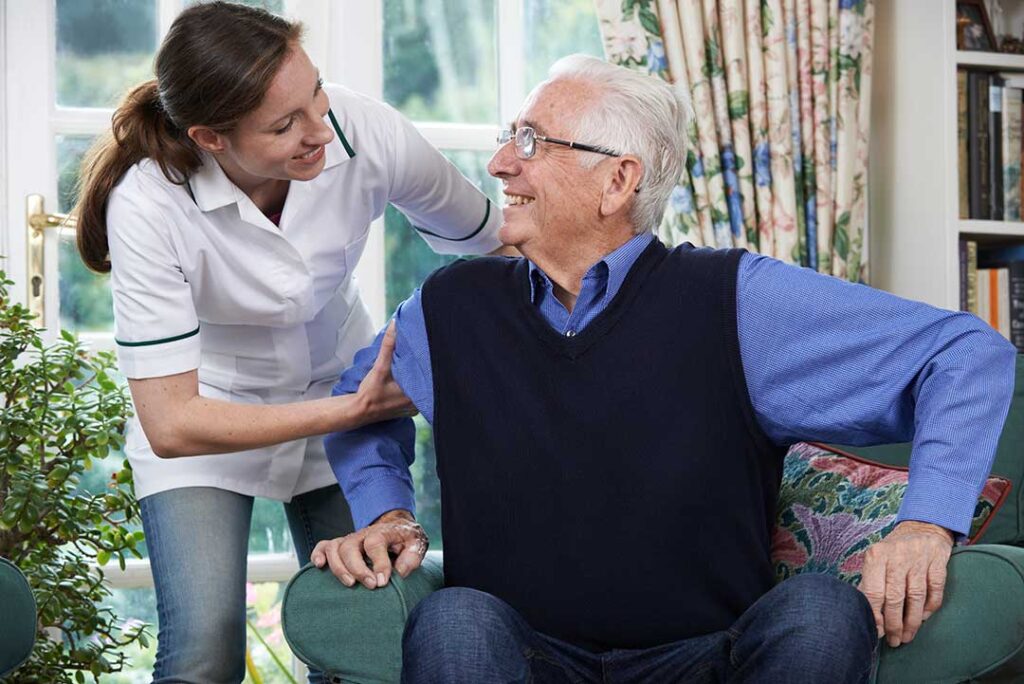
How Does Assisted Living Address Senior Isolation?
Assisted living provides social engagement, a supportive environment, and structured opportunities for connection, which help many older adults avoid feelings of isolation or loneliness. In Emmaus, PA, these communities are designed to meet not only physical and medical needs but also emotional and social well-being, which plays a significant role in overall quality of life for seniors.
Why Is Senior Isolation a Concern Locally?
Senior isolation in communities like Emmaus can develop for a variety of reasons, including limited mobility, infrequent visits from friends or family, the loss of loved ones, or simply the layout of local neighborhoods—often with homes set back and sidewalks less traveled in winter. Extended isolation can increase risks like depression, anxiety, and even physical decline.
The Lehigh Valley climate, with cold winters and mild springs and falls, sometimes makes getting outdoors or traveling more difficult for seniors, particularly when sidewalks or streets are icy or crowded. Shorter days can also reduce opportunities for socializing during the winter months.
What Specific Features of Assisted Living Prevent Isolation?
Assisted living environments are purposefully structured to encourage positive daily contact. In Emmaus, facilities typically include:
- Common areas for group activities and meals, where residents interact daily.
- Regularly scheduled social events, such as gardening clubs, seasonal crafts, or discussion groups tailored to resident interests.
- Transportation or on-site amenities (like libraries, fitness classes, or chapels) that facilitate access to activities without needing to venture out alone or arrange for rides.
- Team members trained to recognize early signs of social withdrawal and provide gentle encouragement to join activities.
This design means residents are rarely more than a short walk from conversations, companionship, or community events.
Do Assisted Living Residents Keep Their Personal Independence?
Many families worry that moving to assisted living will diminish independence or create a sense of institutionalization. In reality, most assisted living environments in Emmaus are built around choice and autonomy. Residents often:
- Choose when and how to engage in activities or meals.
- Decorate and personalize private living spaces.
- Continue hobbies, host visitors, or attend local events, with or without assistance.
- Opt in or out of specific support services as needed.
This combination of independence and structure means residents have more frequent chances to build or maintain connections—reducing isolation without removing control over their own routines.
Can Assisted Living Suit Different Personalities and Interests?
Yes, most assisted living communities recognize that interests and social needs vary widely. Schedules typically offer a range of options, from quieter pursuits (like book clubs or art classes) to lively group activities (local history talks, movie nights, or music performances). Participation is never mandatory.
It’s a misconception that assisted living forces everyone into the same set of activities or that quieter residents are overlooked. Staff are often attentive to introverts or those who need more time to adjust, extending gentle invitations rather than pressure.
How Are Families Involved in Preventing Isolation?

Assisted living communities in the area commonly welcome family involvement. While daily visits can be challenging for some families due to geography or busy schedules, there are several ways relatives and friends typically remain engaged:
- Attending hosted events or holiday meals.
- Participating in community celebrations—especially during traditional local festivals or seasonal gatherings.
- Using technology, like video calls set up by staff, when in-person visits aren’t possible.
- Joining care planning or feedback meetings, ensuring residents' social needs are addressed as they change.
Such involvement supports both residents and families, creating another layer of community that stretches beyond the walls of the residence.
What Might Be Overlooked About Social Connection in Assisted Living?
It’s sometimes overlooked that social connection in assisted living isn't just about group events or entertainment. Small, daily interactions—exchanging greetings with neighbors, sharing a coffee in the lounge, or chatting with supportive caregivers—often have the greatest impact on a person’s sense of belonging. Winter weather or health challenges might keep someone home in a regular single-family house, but in assisted living, these simple points of contact still happen naturally.
Another overlooked aspect: residents often take on new social roles, such as volunteering, helping welcome new arrivals, or sharing skills like knitting or music. These opportunities to contribute provide meaning and further reinforce social ties.
Are There Misconceptions About Assisted Living and Isolation?
Some believe that transitioning to assisted living means losing personal relationships outside the community or that it might be lonely due to unfamiliar surroundings. However, most Emmaus locations encourage friends and loved ones to visit and host open community gatherings. Many new residents actually develop broader support networks—balancing old friendships with new ones—thanks to the built-in opportunities for daily interaction.
Others may assume that those who prefer solitude will be socially pressured in these settings. In practice, the mix of privacy and community support allows residents to choose their own level of involvement, so connections happen at a comfortable pace.
Are Seasonal and Weather Factors Considered?
Yes. Assisted living communities in the area understand how seasonal patterns—like icy sidewalks or shortened daylight in winter—impact social activity for seniors. The indoor gathering spaces, adaptive lighting, and year-round programs are designed so that connections continue through all seasons, regardless of the weather outdoors.
